

Exclusive sales on ALL Dermal Fillers & Injectables!

How Often To Get Botox In Brooklyn And Queens For Natural, Lasting Results

Botox fades around the three-month mark, and what you do next decides whether your results look natural or uneven. Here's a practical rhythm for Brooklyn and Queens.

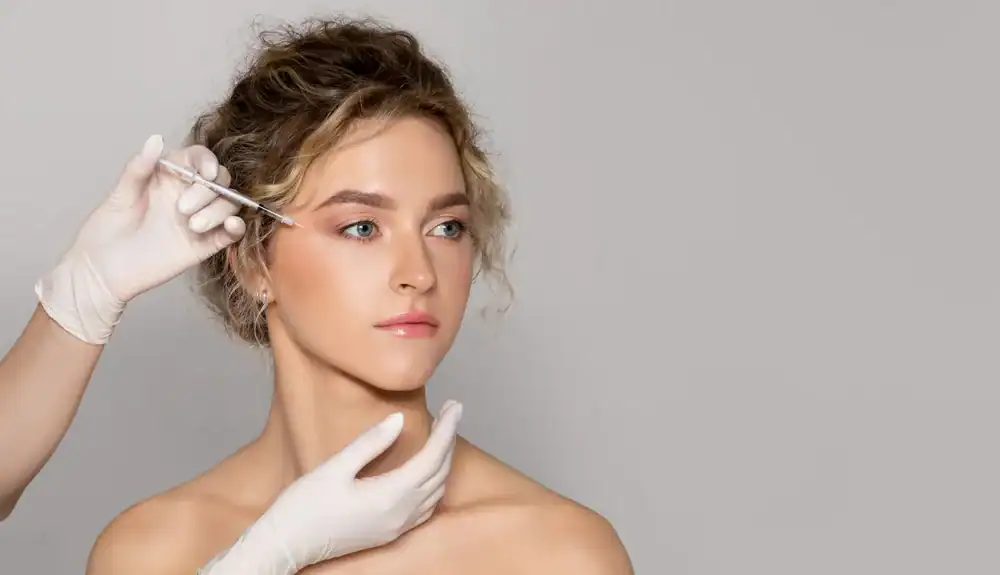
Woman receiving Botox injection at Dolce Aesthetics clinic.

You got Botox once, loved how rested you looked, and then somewhere around month three your forehead started doing its old thing again. Now you’re wondering whether to book again, how soon, and how to avoid the frozen look you’ve seen on other people. Those are fair questions, and they matter more than the first appointment did. If you live in Kings County or Queens County, you also have no shortage of places to choose from. Here’s what a steady Botox rhythm does for your face, starting with timing.

How Often To Get Botox For A Natural Look

Botox relaxes the small muscles that fold your skin into lines when you frown, squint or raise your brows. Lines start to soften within three to seven days, and the full effect shows up around the two-week mark. Then it wears off.

In our experience, results last about three to four months, and sources like Cleveland Clinic and WebMD put the range at three to six. That fade is where results tend to go sideways. If you wait until every line is back, your face swings between smooth and fully animated. Book a little before that point and the look stays steady, so the people around you never see the peaks and valleys.

For most of our patients in Brooklyn and Queens, that works out to three or four visits a year.

Woman receiving Botox injection for facial rejuvenation at Dolce Aesthetics clinic.

Will Regular Botox Make Me Look Frozen?

This is the fear we hear most, and it’s a fair one. The frozen face people point to is almost never about how often someone gets treated. It comes down to dose, placement and who is holding the syringe. Too much product in the wrong spot flattens expression and can pull a brow or eyelid down. A smaller amount placed with care leaves you able to frown, lift your eyebrows and react, just with less creasing.

Regular visits help here. Most treatments use somewhere between 20 and 60 units depending on the area. When we see you every few months, we can start conservative, watch how your face responds and adjust in small steps. Some injectors call it microtox. We just call it paying attention.

If one spot needed a touch more, or your brows felt heavy, we change it next time instead of guessing from scratch. The treatment itself takes about ten minutes. We use ultrafine needles, and most people describe a small pinch, usually without numbing. There’s no downtime, so you can walk out and carry on with your day.

One thing worth knowing up front: Botox only works on lines caused by movement. It won’t touch sun damage or sagging skin, and we’ll tell you that plainly rather than sell you more units than your face needs.

Is It Worth Seeing The Same Botox Injector Every Time?

Yes. Someone who has treated your face three or four times knows how your brows sit, which side of your forehead is stronger and how long you personally hold results. That history is worth more than any generic injection map. At our offices in Bay Ridge and Glendale, we book a follow-up around the two-week mark, once everything has settled, so any adjustment is based on how you actually look.

Who that person is matters too. Our founder, Jennifer DiLandro, is a nurse practitioner with more than 18 years of experience, and we’re supported by a board-certified medical director. We’re also an Allergan Top 250 Injector, which is a manufacturer-awarded tier, not a badge we gave ourselves.

In New York, injecting Botox is the practice of medicine, so it should be done by or under the supervision of a licensed physician, nurse practitioner or physician assistant. Wherever you go in Brooklyn or Queens, do what the NYC Health Department recommends: ask who is injecting you, verify their license online, confirm the product is FDA-approved and ask to see the vial. A good practice won’t blink at any of that.

Many of our reviewers say we make them feel like family, and that’s a good thing to look for in a place you’ll be returning to every few months. You want to know the person you’re seeing at visit number five is the same one who knew your face at visit number one.

Want live answers?

Connect with a Dolce Aesthetics expert for fast, friendly support.

Starting Botox In Your 20s Or 30s

Age comes up constantly. Brooklyn’s median age is around 37, and Queens runs a bit older at roughly 41, so we see both ends of the spectrum. Some people in their late 20s and 30s are noticing their first lines. Others have been treated before and want to keep things steady.

ASPS data shows adults 40 to 54 are still the largest group getting neuromodulators, while the 20s and 30s each grew by more than 8%. Starting earlier doesn’t mean you need to. It means a small dose may keep an expression line from deepening, though we won’t promise Botox stops wrinkles from forming.

And it isn’t only for women. ASPS counted 593,854 neuromodulator injections for men in 2024.

Woman receiving Botox injection for facial rejuvenation at Dolce Aesthetics.

How Much Does Botox Cost In Brooklyn And Queens?

Botox is priced per unit, so your total depends on how many units your face needs, not on a flat fee. Most treatments use 20 to 60 units depending on the area, which is why two people can leave the same office with different bills.

Third-party estimates put Brooklyn and Queens at roughly $10 to $16 per unit, compared with about $18 to $22 at plastic surgeon offices and boutique injectors. Treat those as estimates, not official benchmarks, but they match what many people notice: keeping up with Botox in the outer boroughs is more manageable than it is in Manhattan.

We post current offers on our coupons page, and they change, so check there instead of trusting a number in a blog post. Before any pricing conversation, we do a free consultation where we go over your goals, your medical history and your facial structure. You’ll know what we recommend and why before you decide anything.

Rock-bottom pricing with no named injector, or pressure to buy a big bundle of units before anyone has examined you, deserves a second look. The product may be identical, but the technique and the safety net around it are not. Several of our reviewers mention reasonable prices and our willingness to work with a budget, and we’d rather build a plan you can keep up than one you’ll skip.

Whether you’re coming from Bay Ridge, Glendale, Howard Beach or Ridgewood, we’re open until 8 p.m. on weekdays and until 6 p.m. on Saturdays, so a ten-minute visit doesn’t have to compete with your workday.

What To Pair With Botox: Laser Facials, Clinical Facials And Sculptra

Botox does one job: it relaxes movement lines. If what bothers you in the mirror is uneven texture, dark spots, a dull complexion or cheeks that have lost some fullness, more units won’t fix it. A med spa that suggests otherwise isn’t being straight with you.

A medical spa isn’t a day spa with a medical-sounding name. It should have licensed professionals who can tell you which tool fits which concern. That’s why we treat Botox as one part of a plan.

A laser facial works on skin quality. Clinical facials, including acne facials and anti-aging facials that use microdermabrasion, chemical peels and LED, go deeper with clinical-grade products. Sculptra is a collagen-stimulating injection that rebuilds volume gradually, so your face looks fuller over weeks instead of changing overnight. Put those together with a steady Botox schedule and you get the refreshed, not redone result most people are after, because each treatment is handling the thing it’s actually good at.

Botox also does more than smooth lines. Masseter Botox can ease jaw clenching and teeth grinding, and it can slim the jawline. That’s a common request from working professionals throughout Brooklyn and Queens. Botox is also used for excessive sweating and for headaches and migraines, with physician oversight.

When you come in, tell us what you see and what bothers you. If Botox isn’t the right answer for it, we’ll say so.

Ready For A Botox Plan That Fits Your Life?

The short version: Botox looks most natural when it’s timed before your lines fully return, dosed in small adjustable steps and handled by an injector who knows your face. Starting in your 20s or 30s is a choice, not a requirement, and Botox works best next to skin treatments that handle what it can’t. Know what you’re paying per unit, and verify who’s holding the needle.

If you’d like to talk it through, Dolce Aesthetics NY offers a free consultation at our Bay Ridge and Glendale offices in Brooklyn and Queens. Call 718-365-2369 for Glendale or 718-745-3941 for Brooklyn, and we’ll help you work out a rhythm that keeps you looking like you.

Summary:

Botox wears off on a schedule, and what you do around that point decides whether your face looks steady or slightly different every few months. This post walks through how a regular rhythm works. You’ll get straight answers on the frozen-face worry, choosing an injector in Brooklyn or Queens, when to start, what Botox costs per unit, and what to pair it with so your skin looks as good as it moves.

Article details:

Share: